
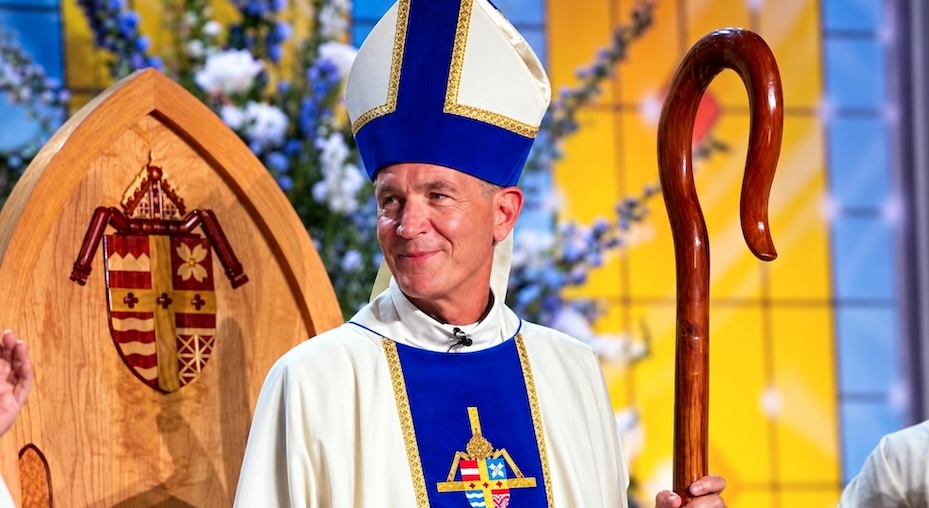
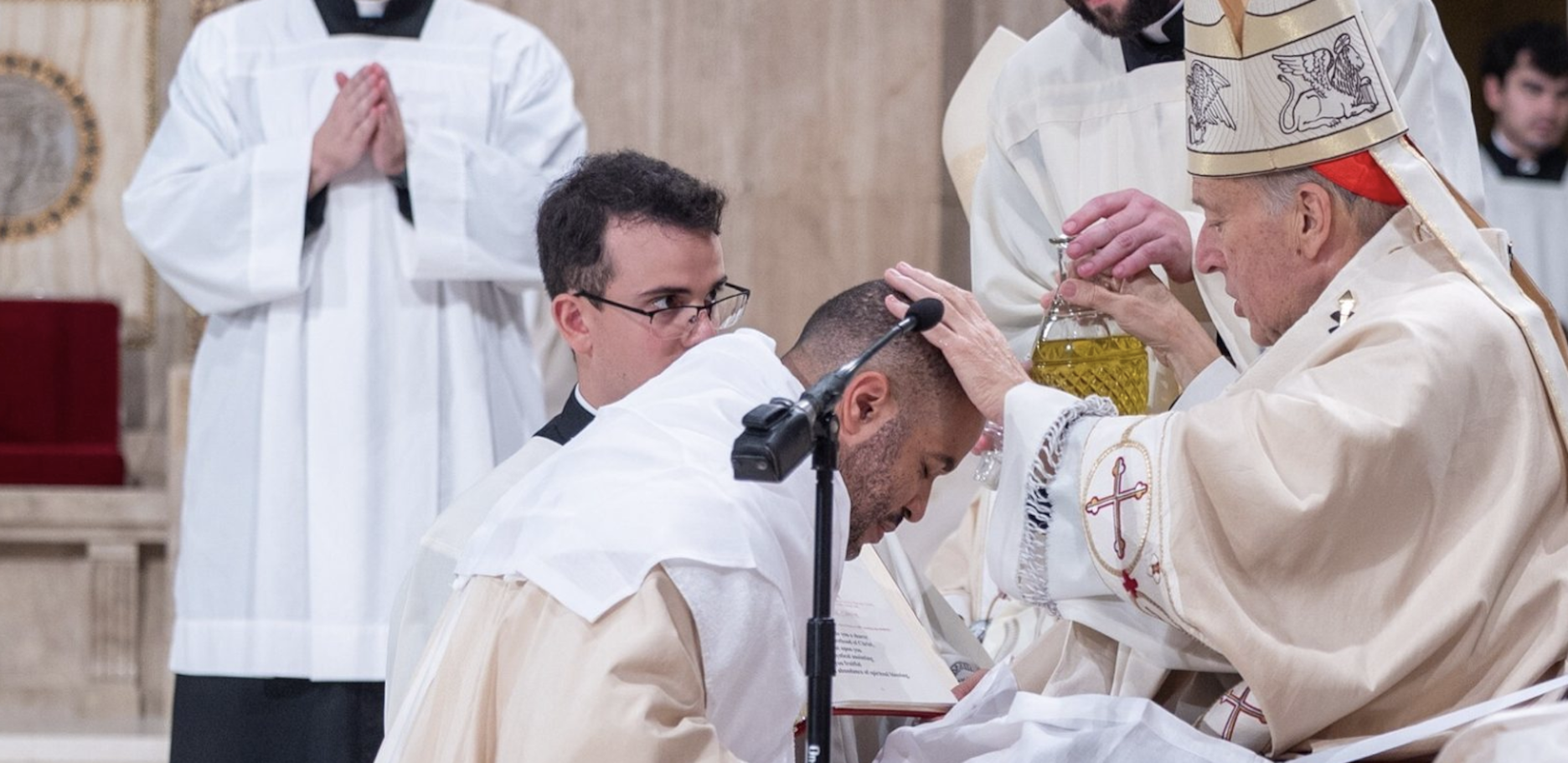
Monsignor Mark Beckman, bishop of Knoxville (Tennessee), has published a column in his diocesan newspaper titled “Saint Michael the Archangel, pray for us.” Under that heading, with the serenity of someone signing a routine document, he announces that he has asked his priests to discontinue the prayers the faithful recite together before Mass and immediately after it. The first to fall is precisely the prayer to Saint Michael. The title invokes the archangel, and the text expels him from the church.
The column overflows with praise. Leo XIII composed the prayer, Saint John Paul II asked that it be recited, Francis recommended it, it forms part of the Church’s treasury of prayer, and the world today needs, the bishop himself says, the archangel’s protection.
With all of this acknowledged in writing, the conclusion is incomprehensible: outside the church. The urgency of the battle is admitted, yet the order is given to sheathe the sword.
The bishop acknowledges that his faithful love these prayers and that losing them will pain them. He knows it and does it anyway. That affection of the people, which any pastor would guard as a treasure, appears in his text as a resistance to be overcome with patience and catechesis….
From Infovaticana

The bishop is right. Do not add extraneous prayers to the liturgy. It’s not permitted. The practices of publicly praying the rosary before Mass and publicly reciting the Prayer to St. Michael after Mass, so popular with trads, reveal a poorly developed liturgical theology and an unsophisticated understanding of prayer.
The Mass is the source and summit of the Christian life. There is no spiritual or theological need to add nonliturgical public devotions immediately before or after the Mass. Adding rosaries or the St. Michael Prayer to the Mass implicitly communicates that the Mass needs more in order to be perfected in prayer and that piling on prayer after prayer in different forms will be more efficacious than a Mass well celebrated.
The bishop is right.