

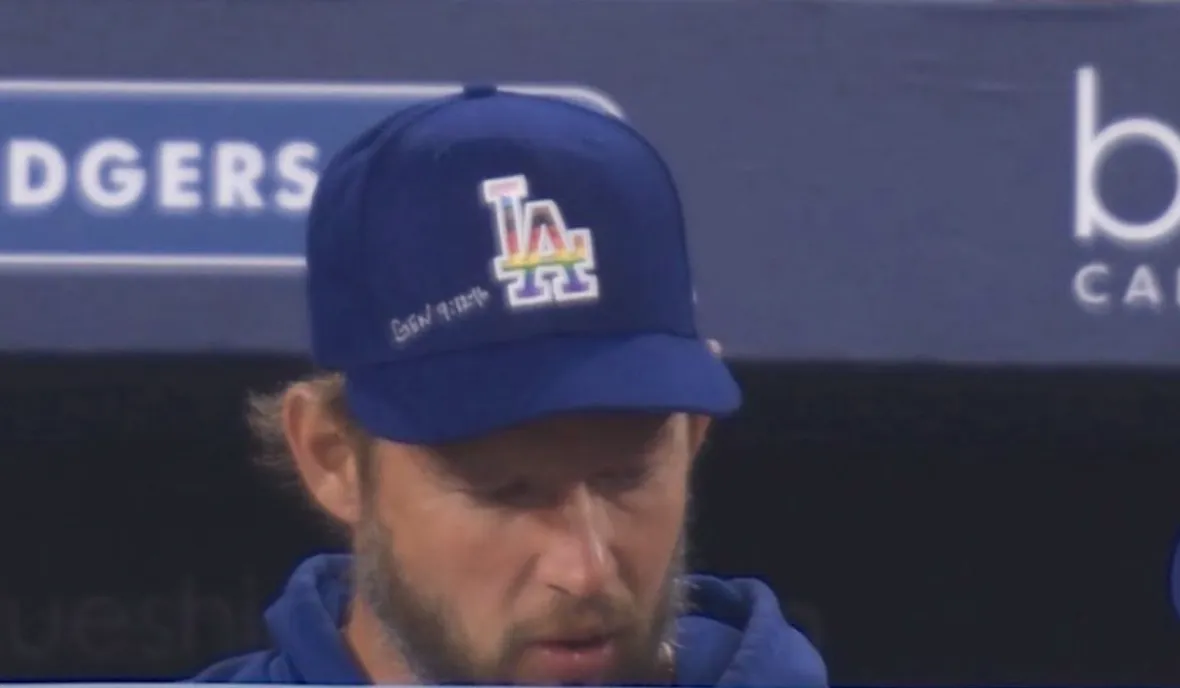
Same-sex marriage is on the ballot in California — again. Today, California voters will decide on Proposition 3, which would create an amendment to the state constitution, guaranteeing a “fundamental right to marry.”
Same-sex marriage is already legal in California, so the amendment won’t change anything, at least in the foreseeable future. Rather, the constitutional change removes a previous provision that barred same-sex marriage and adds new protections in the event the U.S. Supreme Court overturns existing precedent.
“We’ve always known that at some point we need to get this discriminatory provision out of the California constitution,” said Sen. Scott Wiener, a San Francisco Democrat and a co-author of Prop. 3. But he said it wasn’t urgent until the Supreme Court overturned Roe v. Wade, the landmark 1973 case that provided the right to an abortion, that “we saw that marriage equality was at risk.”
October polls show 67% of likely voters support Prop. 3, according to the Public Policy Institute of California, though Wiener said he isn’t taking anything for granted. Supporters have poured over $3 million into the campaign for Prop. 3. Opponents haven’t officially spent any money opposing it, though one special interest group, the Campaign for Children and Families, spent over $35,000 in related ads. The ads claim that Prop. 3 would “functionally legalize child brides,” “incestuous marriages,” “polygamy,” and “bigamy.”
Jessica Levinson, a constitutional law professor at Loyola Marymount University, said the ads are misleading. “A fundamental right to marriage is different from an absolute one,” she said. “Fundamental means very stringently protected. Absolute means no exceptions….”
From Cal Matters


California is playing with fire. The only marriage created and instituted by Almighty God is between a man and woman. Repent California!
I just picked up my dog’s poop from the backyard. I have real things to do and to worry about rather than what the nutjobs running our government think. Now I have laundry to do and then I have to fix dinner for my family.
Yes! The churches all need to preach and teach about the absolute necessity of leading a good life, of practicing sexual morality, and absolutely abstaining from all sexual sins, which destroy body, mind and soul, and will corrupt and totally destroy entire nations and civilizations. Children especially need to grow up learning these truths, and to lead good lives. Adoption is the only option, if you make a mistake in life. Respect all life, from conception to natural death. No more sexual sins, no more pornography, no more gay pervert sex acts and gay “marriage,” no more sinful, selfish birth control, no more sinful, selfish sexual sins, no more sinful, selfish child killings– no more abortion. Yes! Repent, California!
We are Americans, we each have a voice, and we all have an important responsibility for our country. It is not just a childish notion of “the government,” out there, somewhere. In many other countries, you might have a very small, poor place to live, shared with extended family, not much food– and no yard, no dog. You need to participate in our American life, and you need to care, if you want to live in this great country. Marriage is one of the most important issues for our country, especially for the future, for our children. Please vote “No” on Prop. 3. That, right there, is a “real thing to do”– your vote of “No” on Prop. 3 will help get rid of “the nutjobs running our government.”
That’s more reality than a politician deals with in a decade.
Is Hell absolute enough for you, Jessica?
They can “hammer” all they want, but it will not change a thing. One cannot force a triangle into a round hole of the same size no matter how much one pounds. it will only destroy what one is hammering (in this case the person). Certain diseases and cancers are prevalent among people who practice sodomy, and it is never going to change. They are just pounding their heads against a wall.
Remind every Democrat today that they supported an inarticulate, ignorant, unintelligent loser. Remind every Democrat every day that they support ruinous policies and their party will continue to lose wherever wise, rational people are in the voting majority. Wherever idiots are in the voting majority, such as in California, Democrats will be safe.
God and Mary spared Trump’s life for a reason. Christian values are going to be returned to the United States through the agency of that man as president.
He just won election for the third time in a row. What a feat.
Kamala Harris has gone silent after suffering an embarrassing defeat. Just like a woman who has been handed everything in her life and hasn’t had to earn anything — DEI hire that she has always been — to cower in fear after a humiliating defeat. Thank God she wasn’t elected president. She doesn’t have the fortitude to lead. Were it not for her skin pigmentation, her sex, and her “favors” to Willie Brown, she never would have gotten anywhere in politics.
The Democrat supporters on this site have also gone silent. Democrats got trounced. They tried everything: replacing Biden with a woman of color, filing fake criminal charges against Trump, trying to assassinate Trump, calling Trump Hitler, calling his supporters garbage and racists, claiming that Trump threatened abortion, claiming that Trump would be a fascist. None of it worked. Trump got more votes than ever before and won both the popular vote and the electoral college vote.
Democrats should be waking up to the fact that they have a losing vision for America.
Let Republicans rule for decades to come.
Now we need to see Trump make good on his promises to deport the illegals, lower taxes, protect American jobs, strengthen our energy independence, amass a bitcoin strategic reserve, make Americans safer from crime. If he does all that, Republicans will win every future election because Americans will realize that conservatism is a formula for success and leftism is a formula for failure.